Which Order To Install Wall or Ceiling Drywall First
Ceiling or wall drywall first? Learn whether to hang drywall on the ceiling or walls first, why it matters, common mistakes, and the best order for a strong finish.
DRYWALL INSTALLATIONCOMMON QUESTIONSSHEETROCK
Ceiling or Wall Drywall First | Wall or Ceiling Drywall First Explained
Ceiling or wall drywall first? Learn whether to hang drywall on the ceiling or walls first, why it matters, common mistakes, and the best order for a strong finish.
Ceiling or Wall Drywall First? The Right Order for Hanging Drywall
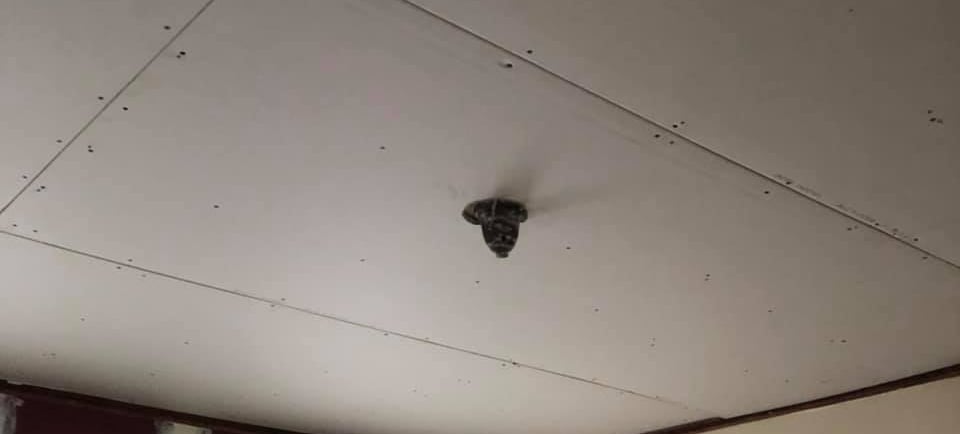
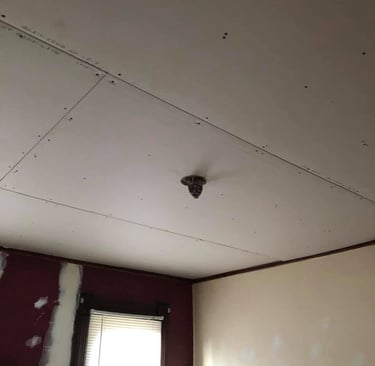
If you are asking, ceiling or wall drywall first, the short answer is this. In most rooms, you hang drywall on the ceiling first and the walls second.
That same answer applies if you searched wall or ceiling drywall first or drywall on ceiling or wall first. The standard method is to install the ceiling sheets before the wall sheets. This gives you better support at the corners, tighter joints, and a cleaner finish.
The order matters more than many people think. Drywall is heavy. Ceiling panels are harder to lift and position. If the walls go up first, the top edge of the wall sheets can get in the way. You can also end up with weaker corner joints and more visible gaps.
This guide explains why the ceiling usually comes first, when there are exceptions, and how to get better results during drywall installation.
Why the Ceiling Usually Comes First
When contractors install drywall, they usually start overhead. That is not random. It solves several problems before they start.
Better support at the wall-to-ceiling joint
When the ceiling drywall goes on first, the top edge of the wall drywall can press up against it later. That helps support the ceiling panel edges around the perimeter of the room.
This is one of the main reasons the answer to ceiling or wall drywall first is almost always ceiling first.
Tighter corners
A tight inside corner makes taping easier. It also helps reduce cracks later. Installing the ceiling first lets the wall boards fit snugly underneath. That creates a stronger corner detail.
Cleaner finish work
Drywall finishing goes better when the hanging order is correct. Tapers have an easier time bedding tape and building smooth inside corners when the boards meet the right way.
Easier layout
When you start on the ceiling, you can plan the room from the top down. That helps with seams, fixture openings, framing alignment, and material waste.
Wall or Ceiling Drywall First, What Is the Standard Rule?
The standard rule is simple.
Install drywall on the ceiling first. Install drywall on the walls second.
That is the accepted method for most bedrooms, living rooms, hallways, offices, basements, and standard residential rooms.
So if you keep seeing searches like wall or ceiling drywall first or drywall on ceiling or wall first, the practical answer stays the same. Ceiling first is the best order in most jobs.
Why Hanging Walls First Can Cause Problems
Some people think starting with the walls is easier. It may feel simpler at first because wall sheets are easier to handle than ceiling sheets. But this can create problems.
Gaps at the top
If wall sheets are installed first, the ceiling sheets have to fit against the top edge of those wall panels. That often leaves uneven gaps.
Weaker corner joints
The wall drywall does not help support the ceiling edge if it is already in place below. That can make the corner less stable.
More chance of cracked tape
Bad board fit means more stress at the joint. Stress leads to corner cracks, loose tape, and more repair work later.
Harder ceiling installation
Lifting ceiling sheets over finished wall sheets can be awkward. It can also damage the walls during handling.
Drywall on Ceiling or Wall First, Why the Order Matters for Strength
Drywall is not structural like framing, but the hanging pattern still affects performance.
The ceiling sheets span across joists or trusses. Their edges at the walls benefit from being backed by the wall sheets below them. When the walls are installed second, the top of each wall panel helps lock the ceiling edge in place.
That does not mean the walls hold up the whole ceiling. The fasteners and framing do that. But the wall panels help reduce movement at the perimeter. Less movement means fewer finish problems.
This is another reason drywall on ceiling or wall first is not just a cosmetic question. The order affects how the finished room performs over time.
The Best Drywall Hanging Sequence
A good drywall installation usually follows this order.
1. Inspect framing first
Check studs and joists for bowing, twisting, and spacing problems. Shims or planing may be needed before any drywall goes up.
2. Hang ceiling sheets
Start with the ceiling. Use full sheets when possible. Stagger seams. Keep factory edges together where you can.
3. Hang upper wall sheets
If the room height requires more than one row, start with the top row on the walls after the ceiling is done.
4. Hang lower wall sheets
Install the bottom row last. This makes it easier to trim around outlets, base areas, and uneven floors.
5. Finish seams and corners
Tape and mud after all boards are secured properly.
Ceiling First or Wall First in Small Rooms
The same rule applies in small rooms. In fact, small bathrooms, closets, and utility rooms often make the case even stronger for ceiling first.
Tight spaces leave less room to maneuver sheets. If the walls are already covered, installing the ceiling can feel cramped. Starting overhead first keeps the job more organized.
Even in a tiny half bath, the answer to ceiling or wall drywall first is still ceiling first.
Are There Any Exceptions?
Yes, but they are limited.
Pre-existing conditions
In remodel work, part of a wall may already be finished or left in place. In that case, you may have to work around what stays.
Specialty assemblies
Some fire-rated systems, sound control assemblies, or engineered wall details may require a specific sequence based on the manufacturer or building plans.
Patch work, not full hanging
If you are repairing part of a room, the order depends on the damaged area. A ceiling patch may go in after wall repair, or vice versa.
Decorative or custom trim details
Some custom ceiling designs, wood panel transitions, or floating reveals may call for a different installation plan.
Still, for standard drywall hanging in a normal room, the answer to wall or ceiling drywall first remains ceiling first.
Common Mistakes When Hanging Drywall
Even if you know the right order, mistakes during installation can still hurt the finished result.
Using sheets that are too short
Short pieces create extra joints. More joints mean more taping, more mud, and more chance of visible seams.
Not using a drywall lift on ceilings
Ceiling sheets are heavy and awkward. A drywall lift helps place them flat and tight against the framing.
Poor fastener placement
Screws that are too deep break the paper. Screws that are too shallow stick out and interfere with finishing.
Lining up seams
Do not stack seams in a weak pattern. Stagger them where possible.
Ignoring framing issues
Bad framing telegraphs through drywall. Fix the framing before the boards go up.
Hanging walls first without a reason
This is one of the avoidable mistakes that leads people to search drywall on ceiling or wall first after the fact.
Why Pros Prefer Ceiling First
Professional drywall hangers care about speed, quality, and fewer callbacks. Ceiling first helps with all three.
It reduces corner issues. It improves board fit. It makes finishing easier. It lowers the chance of cracks. It follows standard practice that crews can repeat room after room.
A good drywall crew does not just hang boards anywhere they fit. They follow a sequence that supports the final finish.
That is why pros answer ceiling or wall drywall first the same way on most jobs.
What About Taping and Finishing Order?
After the drywall is hung, finishing usually follows this general order:
Tape the ceiling joints
Ceiling seams often get attention early because overhead work tends to drip and fall.
Tape inside corners
The corners between the ceiling and walls should be taped cleanly.
Finish wall seams
Wall seams are usually easier to access and sand.
Sand and inspect with good lighting
Use raking light to catch imperfections before primer.
The hanging order and finishing order are linked. When the boards are installed properly, the finishing process goes much smoother.
Ceiling or Wall Drywall First for Garages and Basements
Garages and basements follow the same basic rule. Ceiling first, walls second.
That said, these areas sometimes have extra concerns like:
Fire code requirements
Attached garages may need specific drywall thickness or fire-rated details.
Mechanical obstacles
Pipes, ducts, beams, and wires may affect sheet layout.
Moisture conditions
Basements may need moisture-resistant products depending on the space.
Even with those factors, the standard answer to wall or ceiling drywall first still holds unless the project specs say otherwise.
Tips for a Better Drywall Job
If you want stronger results, these tips help.
Use the longest sheets you can handle
Longer sheets reduce seams.
Measure fixture openings carefully
Mark lights, vents, and boxes before lifting the sheet.
Keep board edges tight, but do not force them
A clean fit matters more than brute force.
Use proper screw spacing
Follow the recommended schedule for walls and ceilings.
Check corners before mudding
A bad hanging job is harder to hide with compound.
Work in a clear sequence
Do not jump around the room. Stay organized.
FAQ: Ceiling or Wall Drywall First
Ceiling or wall drywall first in a bedroom?
Ceiling first, then walls.
Wall or ceiling drywall first in a basement?
Ceiling first in most full installations.
Drywall on ceiling or wall first for repairs?
For patch work, it depends on the damaged area. For full-room hanging, ceiling first.
Can you hang walls first and still get good results?
Yes, but it usually makes the job harder and increases the chance of gaps or cracked corners.
Why does ceiling drywall go first?
It allows the wall sheets to help support the ceiling edges and gives a tighter inside corner.
Final Answer
If you searched ceiling or wall drywall first, wall or ceiling drywall first, or drywall on ceiling or wall first, the best answer is this:
Install drywall on the ceiling first. Install drywall on the walls second.
That order gives you tighter corners, better support at the perimeter, easier finishing, and a more professional result. It is the standard method for most drywall jobs because it works.
Home | Contact | Offices | Faq | Service Area | Blog | Drywall Finishing | Drywall Taping | Drywall Repair | Plaster Repair | Ceiling Repair | Wall Repair | Drywall Installation | Drywall Hanging | Popcorn Ceiling Repair | Hole in Ceiling | Fix Hole In The Wall | Interior Painting | Knockdown Texture | Water Damage Repair | Drywall Bathroom | Drywall Ceiling | Soundboard | Drywall Patch | Ice Dam Roof Leak | Drywall over Plaster | Drywall Over Popcorn | Skim Coat Level 5 | Popcorn Texture Removal | Drywall Finish Levels | | Refund Policy | Privacy Policy | Terms and Conditions


600 East Main St Chicopee, MA, 01020
203 Circuit Ave n39, West Springfield, MA 01089