

Mold Damaged Drywall Removal and Replacement
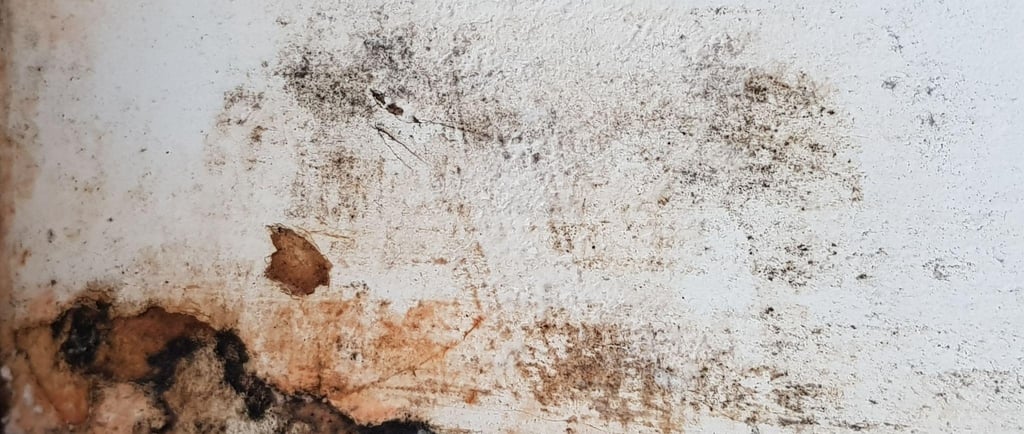
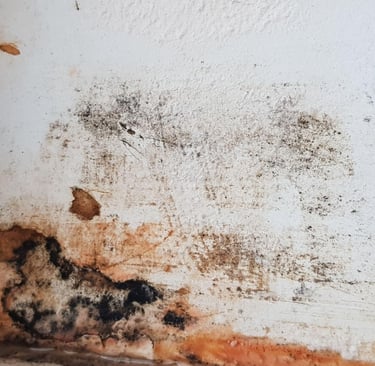
If your drywall feels soft or looks like a science experiment, it's time to cut it out. You can't just paint over mold and hope for the best. That's a waste of time. Mold grows inside the paper backing of the sheetrock. Once it takes hold, the area of drywall needs to be cut out and replaced.
COMMON QUESTIONSMOLD ON DRYWALL
Mold Damaged Drywall Removal and Replacement
If your drywall feels soft or looks like a science experiment, it's time to cut it out. You can't just paint over mold and hope for the best. That's a waste of time. Mold grows inside the paper backing of the sheetrock. Once it takes hold, the area of drywall needs to be cut out and replaced.
Grab a utility knife and a respirator. Don't skip the mask because breathing in mold spores is a great way to ruin your week. You need to cut at least a foot past the last visible spot of mold. You want to be sure you get rid of the hidden mold spores lurking behind the wall. Bag the debris immediately. Do not carry moldy drywall through the house without sealing it up first or you will spread the problem to other rooms.
Check the studs once the wall is open. If the wood is still solid, scrub it with a vinegar solution or a mold killer from the hardware store. Bleach is a bad choice for this. It doesn't work well on wood because it just sits on the surface while the mold roots stay alive deep inside. If you have a pool supply store nearby the best option is 30% hydrogen peroxide. Hydrogen peroxide that is concentrated burns spores down to the root. Be sure to wear protective gear such as a face shield , gloves and long sleeves because 30% hydrogen peroxide will burn any part of your body it touches. Let everything dry completely. If you rush this part, you'll be doing the whole job again in a month. Use a fan to speed things up if you have to.
If you need help we are here at Mrwalls Drywall & Painting to offer you with a free estimate.
Home | Contact | Offices | Faq | Service Area | Blog | Drywall Finishing | Drywall Taping | Drywall Repair | Plaster Repair | Ceiling Repair | Wall Repair | Drywall Installation | Drywall Hanging | Popcorn Ceiling Repair | Hole in Ceiling | Fix Hole In The Wall | Interior Painting | Knockdown Texture | Water Damage Repair | Drywall Bathroom | Drywall Ceiling | Soundboard | Drywall Patch | Ice Dam Roof Leak | Drywall over Plaster | Drywall Over Popcorn | Skim Coat Level 5 | Popcorn Texture Removal | Drywall Finish Levels | | Refund Policy | Privacy Policy | Terms and Conditions


600 East Main St Chicopee, MA, 01020
203 Circuit Ave n39, West Springfield, MA 01089